



Wedfit vs Non-Wedfit Engagement Rings: What’s the Difference?
You might have decided on your favourite diamond shape, ring setting, and precious metal, but have you thought about how your engagement ring will look next to your wedding band? It’s an easy detail to overlook when your engagement ring naturally takes centre stage, but it has a huge impact on the final look of your bridal set.
When comparing a wedfit vs non wedfit engagement ring, it’s important to know that both can pair beautifully with any wedding ring. A non-wedfit engagement ring is simply created with a different profile and might be complemented by a shaped band, an elegant space between the rings, or a bespoke pairing.
This guide explores the appearance, comfort, practicality, and wedding band possibilities of each option, helping you choose a combination that feels right for you.
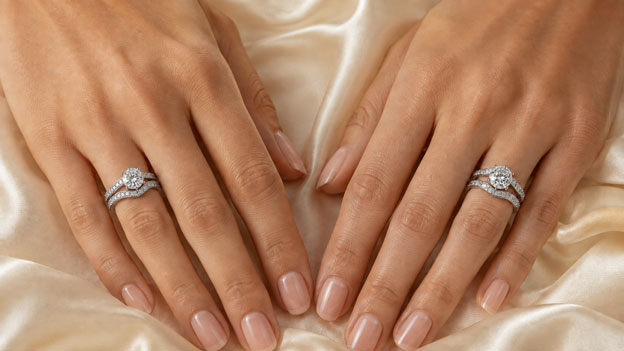
Wedfit vs Non-Wedfit Engagement Rings: The Quick Answer
A wedfit engagement ring has enough clearance beneath or around its setting for a straight wedding band to sit closely beside it. A non-wedfit engagement ring usually places the central setting closer to the finger. It can be paired with a curved, wishbone, open, or bespoke wedding ring, or worn with a straight band to create a deliberate space between the two.
|
Feature |
Wedfit Engagement Ring |
Non-wedfit Engagement Ring |
|
Wedding band pairing |
Sits closely with a straight band |
Paris beautifully with a shaped band or a straight band with a gap |
|
Typical profile |
Usually moderately elevated |
Often lower to the finger |
|
Finished appearance |
Smooth, symmetrical, and seamless |
Contoured, layered, or individually spaced |
|
Wedding ring possibilities |
Plain, diamond-set, and straight bands |
Curved, wishbone, open, bespoke, or straight bands |
|
Overall character |
Classic and coordinated |
Distinctive and personalised |
It’s important to know that these are just general characteristics. The exact fit depends on the setting, centre stone, and chosen wedding band.
What Is a Wedfit Engagement Ring?
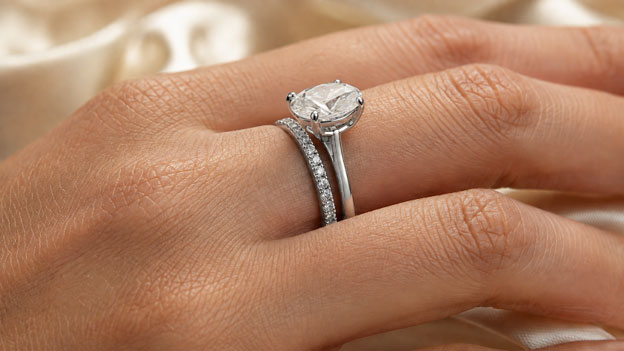
If you’ve been wondering what exactly is a wed fit ring, the answer is basically the way it accommodates a wedding band. Its setting leaves enough space around the base for another ring to sit alongside it. You might see this kind of ring called a “wedfit”, “wed fit”, or “wed-fit” — all three describe the same style.
A wed fit engagement ring might use a raised head, a bridge beneath the centre stone, or a carefully shaped gallery. This lets a straight wedding band nestle close to it, creating an elegant bridal set. The wed fit ring meaning refers specifically to wedding-band compatibility — any diamond shape, metal, or setting style can feature in a wedfit design.
If you’re dreaming of a classic straight wedding ring, a flush-fit engagement ring lets you explore plain bands, diamond-set designs, and eternity rings while maintaining a close, coordinated appearance.
Does a Wedfit Ring Always Sit Very High?
A wedfit ring often sits higher than a low-profile design to provide room for the wedding band, but it can still look beautifully balanced.
The final height depends on the centre stone, gallery, wedding-band depth, and overall design. A high-set engagement ring can give the diamond an impressive presence, while other wedfit settings keep it at a moderate height. A side view reveals the profile most clearly.
What Is a Non-Wedfit Engagement Ring?
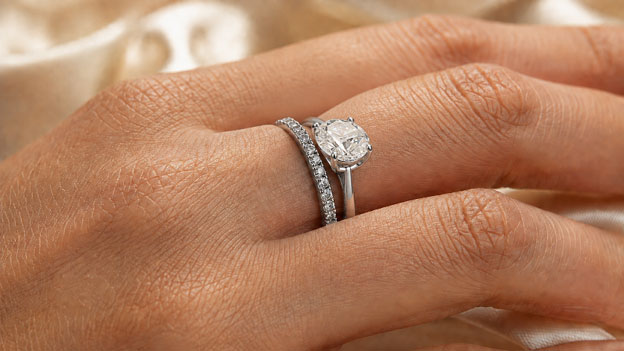
So, what is a non-wedfit ring? It’s designed for a contoured or individually spaced wedding band pairing. The centre setting might sit close to the finger or extend towards the band’s edges, creating an attractive, streamlined silhouette.
A non wed fit engagement ring offers beautiful styling options. A curved wedding band can follow the setting, a wishbone or bespoke design can frame the centre stone, and a straight band can create an intentional engagement ring and wedding ring gap that gives each piece definition.
Many people love the refined proportions of a low-profile engagement ring. With its gemstone close to the hand, it feels integrated into everyday wear and works beautifully with an artistic shaped wedding ring.
“Non-wedfit” simply explains how the setting relates to a standard band. The right pairing makes a low-set engagement ring look carefully considered and harmonious.
Wedfit vs Non-Wedfit Engagement Rings: The Main Differences
How the Wedding Band Sits
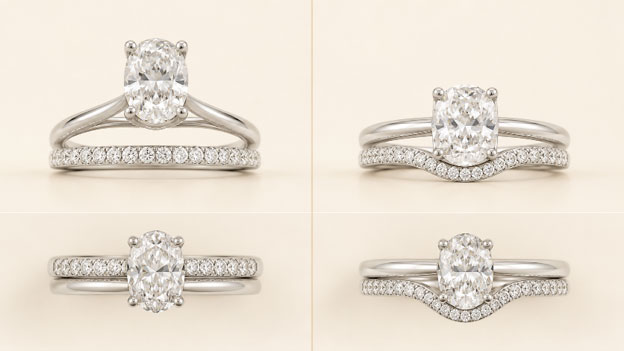
The biggest distinction is the engagement ring and wedding band fit. With a wedfit engagement ring, a straight band can usually sit close to it, creating a polished, continuous line.
A non-wedfit engagement ring offers two main styling choices — a shaped wedding ring for a contoured pairing or a straight band with a graceful space between the pieces. Choose between symmetry, a sculpted stack, or two rings with their own visual presence.
Setting Height and Appearance
A wedfit design usually has a moderately raised profile, giving the diamond prominence and showcasing the craftsmanship beneath the setting.
A non-wedfit or low-set engagement ring positions the gemstone closer to the finger for a sleek outline. Setting height and wedfit status describe different features — some thoughtfully constructed designs combine a relatively low appearance with room for a band.
Comfort and Everyday Wear
Comfort is personal. Some people enjoy the streamlined feeling of a low-profile engagement ring, while others love the elegant elevation of a wedfit setting. Band width, ring size, setting shape, and the wearer’s hand all contribute to the overall look and feel.
When exploring low profile vs wed fit engagement ring options, it’s a good idea to try each one on. This way you can view them from above and from the side and imagine how their profile complements your everyday style.
Wedding Band Choice
A wedfit engagement ring pairs beautifully with a range of straight wedding bands. Choose a polished band for a timeless look, a diamond-set design for added brilliance, or an eternity ring for a luxurious sweep of sparkle.
A non-wedfit engagement ring offers more scope for creative pairings. Curved, wishbone, chevron, open, and bespoke bands can complement the setting, while a straight band worn with a subtle gap allows both rings to make an individual statement.
The Overall Bridal Look
A wedfit pairing feels classic and seamless. A wedding band that sits flush gives the finished set beautiful symmetry. A non-wedfit ring with a shaped band feels distinctive and layered — with a straight band, it creates a relaxed, airy effect. Both are beautiful expressions of personal style.
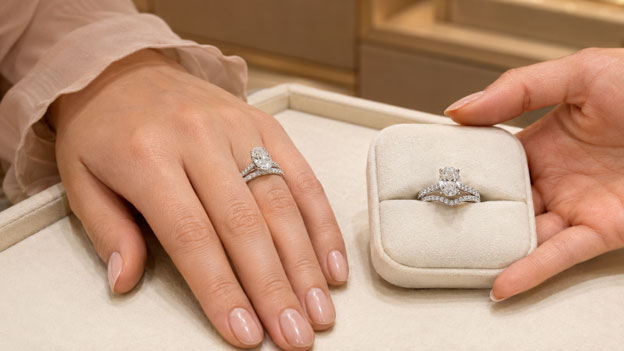
Which Engagement Ring Fit Is Right for You?
The wedfit vs non wedfit engagement ring decision is an opportunity to picture your complete bridal set and decide which details matter most to you.
Choose a Wedfit Engagement Ring If…
A wedfit design might be your perfect ring if you picture a straight wedding band, love a symmetrical arrangement, or want to compare plenty of plain and diamond-set bands. Its raised setting gives the centre stone graceful prominence, while the close pairing creates an effortlessly coordinated look. A wedding band that sits flush completes this classic bridal vision.
Choose a Non-Wedfit Engagement Ring If…
A non-wedfit design might suit you if you prefer a low-profile engagement ring or love a particular setting close to the finger. It is also a great choice for curved, wishbone, or individually shaped bands.
Enjoy the definition of a small space between straight bands or choose a bespoke wedding ring that follows your engagement ring’s contours. Both create a bridal set with genuine personality.
If You’re Still Unsure
Try your engagement ring with several wedding-band shapes. View each combination from above and from the side to compare a straight band, gentle curve, and defined wishbone.
For a surprise ring, consider your partner’s jewellery and any styles they’ve liked the look of before. A preference for straight, shaped, or stacked bands provides a useful clue, and a jeweller can suggest complementary pairings if you need extra help.
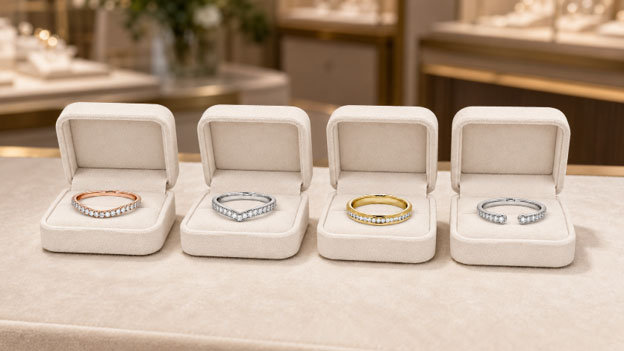
What Wedding Ring Can You Wear With a Non-Wedfit Engagement Ring?
Can a non-wedfit ring be worn with a wedding band? Absolutely! There are several elegant options when choosing a wedding ring to fit an engagement ring with a lower setting.
Curved Wedding Band
A curved wedding band follows the engagement-ring setting with a gentle sweep. It sits closely beside the centre stone and can also look beautiful alone.
Wishbone or Chevron Wedding Ring
A wishbone wedding ring uses a graceful V to create space around the setting. A shallow shape is subtle, while a defined chevron makes a striking feature.
Bespoke Shaped Wedding Ring
A bespoke band can follow the engagement ring’s exact dimensions, with its curve, width, metal, and diamond details tailored to the original ring.
Open Wedding Ring
An open wedding ring leaves an elegant section around the setting, giving the centre stone room to shine in a light, modern composition.
Straight Band With a Gap
A straight band can give each ring definition and create an effortless layered effect, especially when the pieces feature complementary metals, textures, or diamonds.
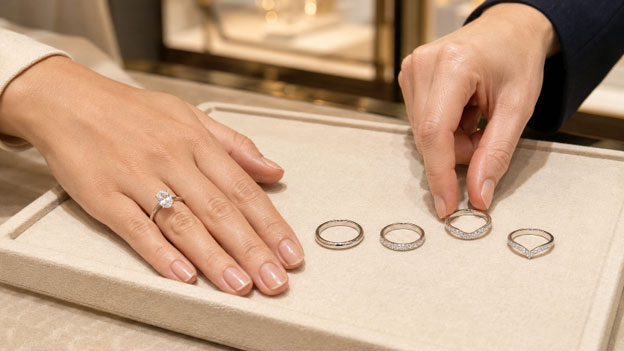
Should You Choose the Wedding Band at the Same Time?
Choosing both rings together is optional, but considering them as a pair can make the process easier. Compare straight and shaped bands, plain and diamond-set styles, and different widths.
Decide whether the metals should match or contrast and whether the wedding ring should also work alone. If you hope to add an eternity ring, imagine how a third band could join the arrangement. A bridal stack can evolve to celebrate new chapters, so choose a combination you will enjoy styling in different ways.
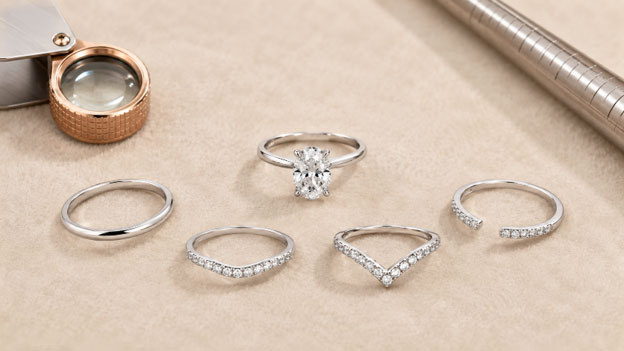
FAQs
Can You Wear a Straight Wedding Band With a Non-Wedfit Ring?
Yes. A straight band creates an intentional space that keeps both designs distinct. For a closer pairing, a curved or bespoke shaped wedding ring can follow the setting.
Do Engagement and Wedding Rings Need to Sit Flush?
The way your rings sit is an aesthetic preference. A seamless pairing looks classic and coordinated, while a deliberate gap can look light, elegant and individual.
Can a Non-Wedfit Engagement Ring Be Changed to Wedfit?
Depending on its construction, a jeweller may adjust or recreate the setting. They can recommend an alteration, new setting, or perfectly shaped wedding band to achieve your preferred look.
Are Wedfit Engagement Rings Less Comfortable?
Both designs can feel beautifully comfortable. Wedfit describes wedding-band clearance, while comfort around your finger depends on the complete ring design. Trying different profiles reveals which proportions feel most natural.
Can Any Diamond Shape Be Used in a Wedfit Ring?
Yes, potentially. Compatibility is determined primarily by the setting and works independently of the diamond shape. Round, oval, emerald, pear, cushion, radiant, and marquise diamonds can all feature in wedfit designs.
What Is the Difference Between Low-Profile and Non-Wedfit?
The terms often overlap, but describe different features. “Low-profile” is how close the setting sits to the finger, while “non-wedfit” explains how a straight band sits beside it.
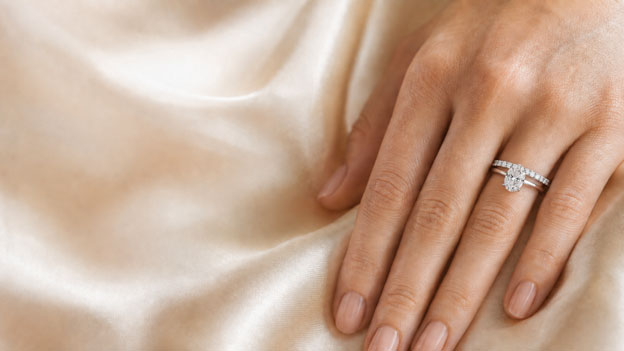
Find the Engagement Ring Fit You Love
Every hand and love story is different. Choose a wedfit engagement ring for a flush pairing and freedom with straight bands. Choose a non-wedfit engagement ring for a lower setting, an individually shaped wedding ring, or the delicate definition of a small gap.
Consider your engagement ring and future wedding band together. From a timeless straight band to a romantic curve or bespoke design, the right combination reflects your style.
Explore Lorel Diamonds’ engagement and wedding rings to find your perfect pairing. Our specialists can help compare settings, choose complementary bands, and create a bridal set that feels uniquely yours.
You May Also Like
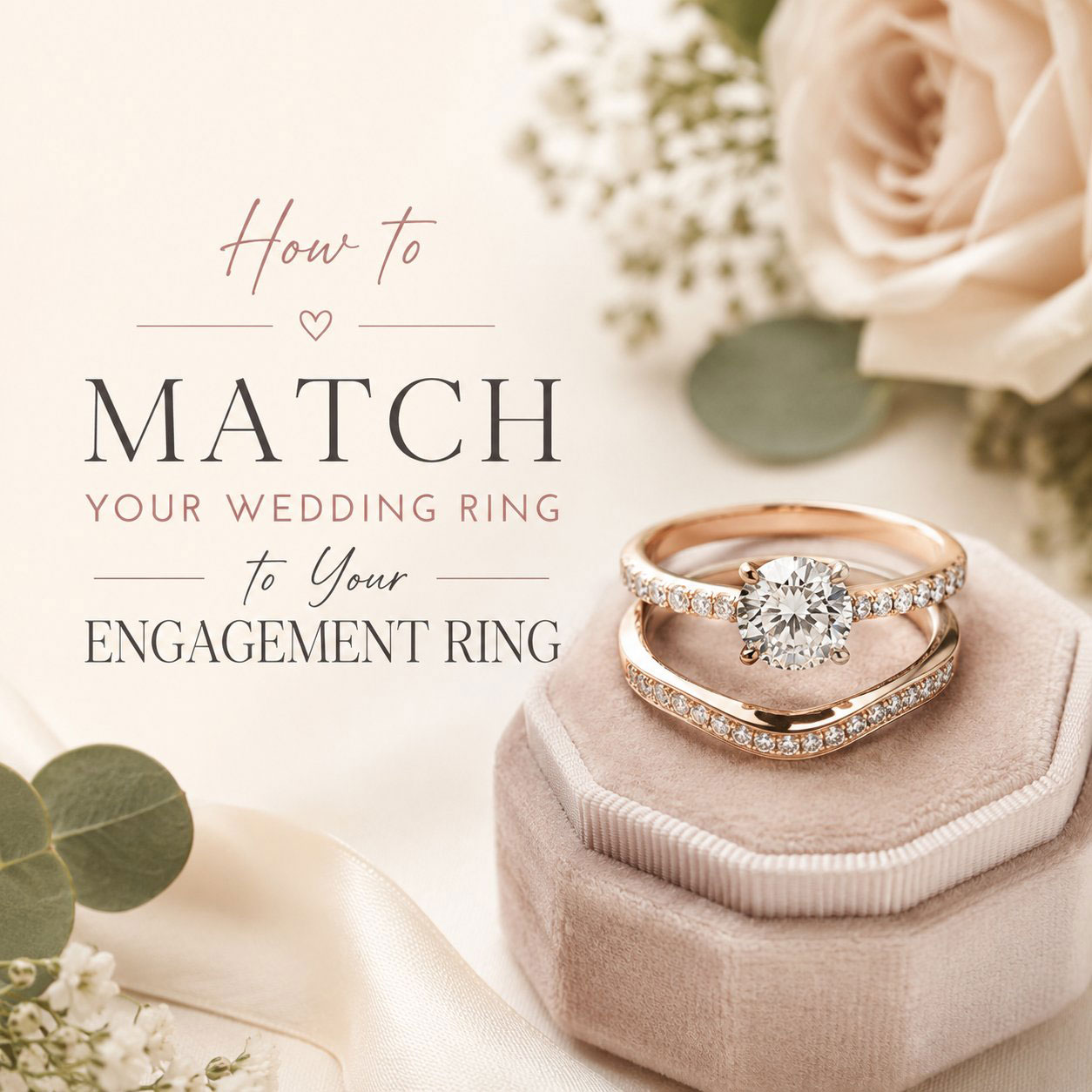
How to Match Your Wedding Ring to Your Engagement ...
Your engagement ring might be the piece that starts the story, but your wedding ring is the one that completes the ...
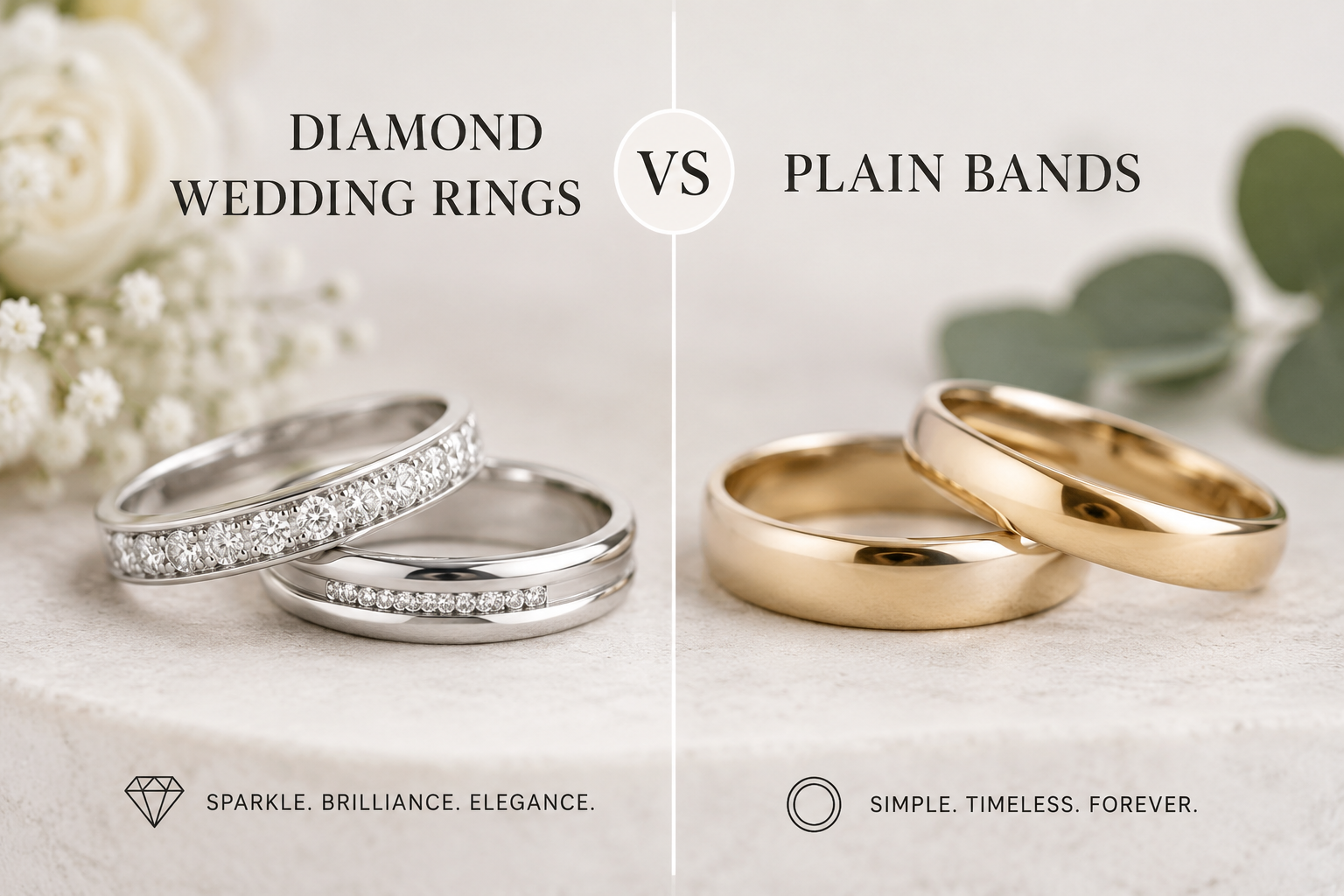
Diamond Wedding Rings vs Plain Bands: Which Should ...
Choosing your wedding rings is one of the most exciting parts of planning a wedding. It’s the piece of jewell ...
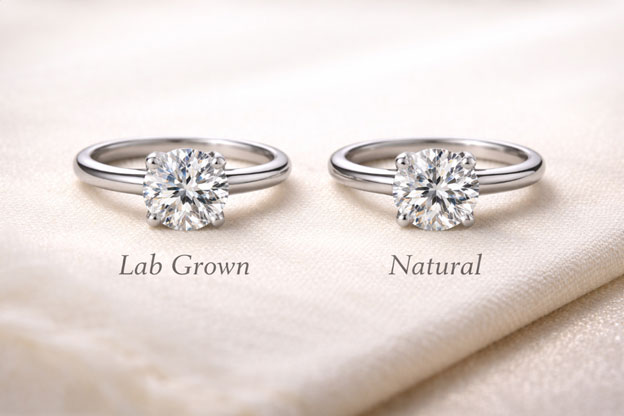
Lab grown Diamonds vs Natural Diamonds: The Comple ...
Choosing between lab grown vs natural diamond engagement rings is often one of the first big decisions you’ll ...
